2026 USQ CUP PROGRAM
10 THINGS TO KNow
Trading Card Post New for 2026 is the BCW Trading Card Bar. Now you can get your trading cards, decorate them, even trade them with others at the bar! Track down Tournament Director Peyton Burrow, CEO Amanda Dallas or one of the USQ board members and complete a special request for the chance to win one of 10 special edition trading cards for the 2026 USQ Cup.
Special edition trading cards:15.5”, Are you not entertained?, Bogart Dallas, Brett Curtis, Peyton Burrow, Steve vs Hoop, The Collier Legacy, Undefeated, We Told Mo We Deleted This Photo, and "Remember when we had lunch breaks?"Chat with the CEO Dallas will be heading to her first* USQ Cup as CEO of US Quadball this year. Got an idea for where quadball is headed in the next few years? Grab her (if you can) at Cup and share your feedback or suggestions!
* She’s literally been to like 12 of these things.Check Out Collegiate Growth Got an opinion on the future of collegiate quadball or just looking for some advice for your college team? USQ’s new Collegiate Growth Department will be on-site Saturday and Sunday from 11:30 am - 5:30 pm. Located in Vendor Village, the booth will offer an interactive college map, freebies for each college team, and the opportunity to sign up for post-college ball. Swing by and yap about the future of the sport with our staff!
PS: Need that new mouthguard molded? They’ve got the hot water.If You Like Piña Coladas… Getting knocked out of the bracket has never been sweeter. Vendor Village this year will feature a margarita truck in the 21+ section. Make sure you have your ID and grab a drink and some CBD balm from Balm Diggity for your sole muscles after your games!
In addition to drinks, Vendor Village will feature at least four food trucks including options like Tacos, Dirty Sodas, Pizza, and Bubble Waffles for purchase.Night at the (Mini) Museum Curious what quadball was like when it was quidditch? Stop by the Mini Museum for a look at some artifacts including the infamous capes, a bristle broom, and other memorabilia celebrating the 20th anniversary of quadball.
Babe Wake Up, New Merch Just Dropped Out with the royal blue vests and in with the Lulu dupes. This year’s merch drop includes a black drop shoulder Placer Valley event tee, the new USQ Pride line, a 20th anniversary tote (designed by Austin Sharp, the designer of the 2026 USQ Cup logo), and a structured Gameday hat. Grab your merch early before your favorite item sells out!
KultureCity® x US Quadball If you or a loved one have sensory needs, stop by Guest Services located to the right of the main entrance for a sensory bag from KultureCity. These bags feature everything an individual might need (noise-cancelling headphones, fidget tools, visual communication card, and more) to make USQ Cup a more inclusive and accessible experience.
Grab a Seat Also new from Guest Services for the 2026 USQ Cup is our amenities rental program. Rent a portable folding chair ($45 refundable deposit, $20 rental charge for weekend) or portable charger ($20 refundable deposit, $5 rental charge) and sit back and enjoy the games in comfort.
Ask Them About This Summer Curious about Major League Quadball? Stop by the MLQ booth in Vendor Village to learn more about the exclusive summer league and buy some merchandise repping your favorite MLQ team.
Secure Your After Party Ticket Early This year’s after party will be one you don’t want to miss. The self-proclaimed bad boy of quadball Tad Walters and former quadball player Shenuque Tissera are bringing the laughs (and making fun of you, probably) with a standup routine. The event takes place at the University of Beer, Sunday night at 10 pm - 1 am–limited space is available, so buy your ticket online before it sells out!
University of Virginia
By Brandon Borges, contributions by Joey Beh
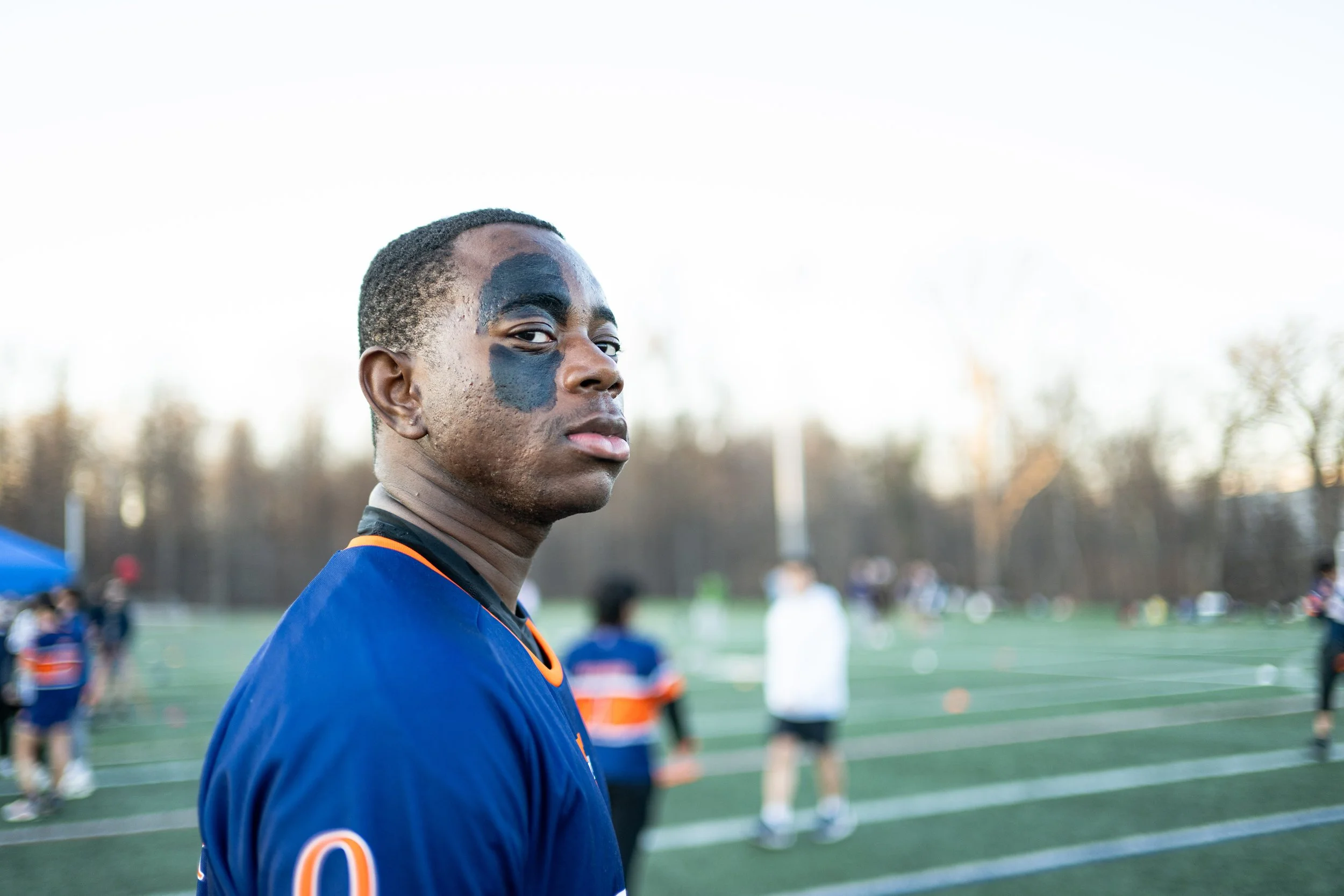
After a USQ Cup Final Four appearance in 2024 and a silver-medal finish in 2025, University of Virginia enters the 2026 USQ Cup not as a hopeful contender, but as a team ready to finish the job.
Undefeated this season, UVA has already won the Appalachian-5 Conference and the largest collegiate national qualifier in Howard County–both in dominant fashion. With a national title within reach, the Cavaliers will arrive in Placer Valley as clear favorites.
That success traces back to a standout 2023 rookie class brought in during fall 2023, recruited by head coach David Littleton and then team leaders Emma Rollins and Zan Siddiqui. Now in their third year, that group anchors the roster. Nathan Jun leads the chaser core with quick footwork, strong finishing, and consistent scoring production. He’s supported by Sabrina Berry, whose off-ball movement creates passing options.
Behind them is one of the strongest beater pairs in the division. Rhett Krovitz controls space with power and accuracy, forcing mistakes under pressure, while Joey Beh excels at winning exchanges. Together, they give UVA a consistent advantage in possession and tempo.
UVA’s edge this season, however, is its depth. Rylan Moraes has taken a major step forward, bringing athleticism, defensive range, and improved playmaking. His growth has complemented players like John Evans, a versatile chaser on both ends, and Anne Marie Pritchett, who helps maintain dodgeball control and stabilize offensive sets. Their development reflects a system that continues to produce reliable contributors across the roster.
The 2025 rookie class has added further depth. Tristan Schneider has quickly earned minutes with smart positioning and strong all-around play. Elizabeth Reinhardt has become a reliable hoop defender, and Khamari Parker adds physicality that gives UVA another scoring option.
With consistent production across lines, UVA has established itself as the top team in college quadball. The Cavaliers are experienced, balanced, and focused on closing out a title run that has been building for multiple seasons.
PHOTO: Michael E. Mason
THE COLLEGE ALL STAR
By Austin Butler
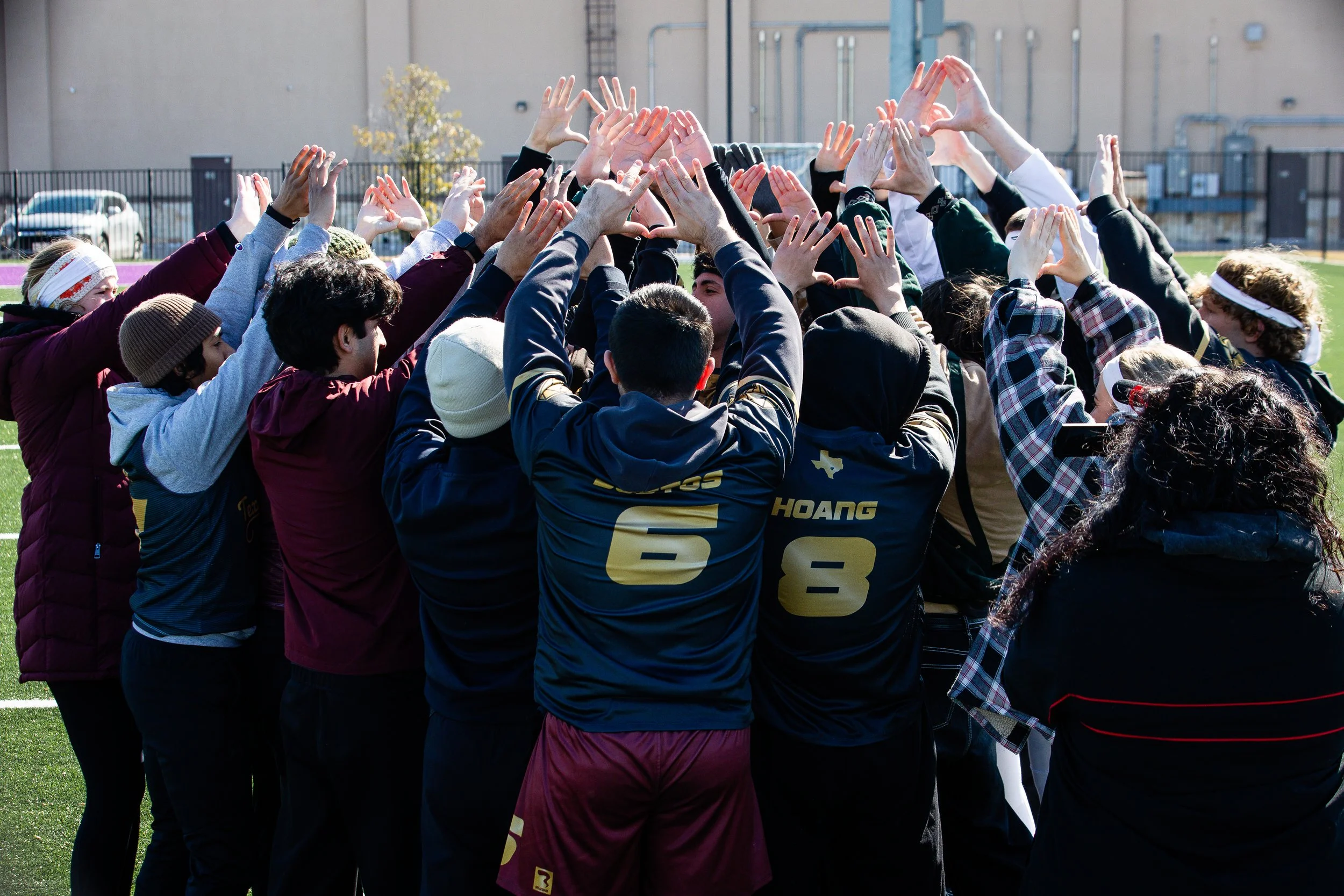
Major League Quadball South MVP, MLQ champion, then a college title run isn’t the typical order of accolades in quadball, but David Avila is aiming to do just that and claim Texas State University’s first USQ Division I championship this weekend. A college all-star, Avila joined Texas State in 2018 (with a brief hiatus in 2022) and has played a role in recruiting much of the current roster. Even on a team filled with US National Team Developmental Academy talent and experienced veterans, he continues to elevate both his own play and the team around him.
Since returning in 2022, Avila has made significant gains in strength and athleticism, but his biggest growth has come in his game IQ. Now, firmly in a lead role, he operates comfortably across all offensive positions within a highly-synchronized system. He combines ranged shooting, strong court vision, and the ability to finish through contact, making him a constant scoring threat. His impact isn’t limited to offense—his point defense is equally effective.
Avila’s foot speed and lateral quickness allow him to stay with top-tier opponents, while his strength helps him win physical battles and create transition opportunities.
Texas State has a long history of elite alumni, and this season will determine whether Avila can add his name to that legacy by leading the program to its first USQ College Division I title.
PHOTO: Shirley Lu
Making Quadball Cool Again
By Whitney Ho
Throughout the past two years, I’m sure many of you have seen my name and face start popping up in articles, announcements, and social media posts. Maybe you’ve wondered, “Who the heck is this random college kid, and why is she attached to so many things?” Allow me to introduce myself.
My name is Whitney Ho. I’m a senior at Texas State University and a member of Texas State Quadball’s Executive Board. My time in quadball has been anything but conventional, and being a non-player in an amateur sport is incredibly challenging, but also rewarding. Before I even knew this sport existed, I played club and collegiate soccer. However, after a career-ending injury forced me to medically retire from contact sports forever, I transferred to Texas State and stumbled upon quadball, which immediately changed my life.
When I was elected to an executive board chair for Texas State, I took on managing social media, recruitment, and public relations. That includes, most importantly, our Instagram account, which is our main source of outreach to students, the quadball community, and viewers from outside of our community. Since I’ve been the social media manager at Texas State, our average monthly views on Instagram have skyrocketed, increasing from ~15k views to an average of 65k-80k. We’re one of the few teams in the nation to break the 1,500 follower barrier and–at time of publication–are currently the most followed college quadball team in the entire world.
So…What Makes Good Content?
My social media strategy is simple–I post the type of content that I wanted while I was an athlete. My focus on player-oriented content not only increases visibility due to the humorous editing style my content is known for, but also focuses on each player and allows them to be featured as they are. Mic’ed-up practices, walk-up questions, and our assorted day-in-the-life content allows for my teammates’ personalities to shine through, creating an inviting and comfortable environment that new recruits are drawn to. When you already feel like you know a group of people, it’s a lot less intimidating to show up to your first practice! It also allows the wider quadball community to feel more connected with us–the good nature and passion clearly shown in each video along with some wicked jokes gives viewers someone to relate to, someone to laugh at, and someone to root for.
I invest a considerable amount of time making sure that everything is funny, joyous, and can also be enjoyed by viewers outside of our community. On Instagram, logistical graphics such as roster announcements, event reminders, and fundraising information are easily the most important aspect. I use the Texas State Instagram as an archive of all important club events, allowing new recruits to have a central location where all information is clearly stated. Viewers in our community also appreciate easy access to information, especially when we play at events where streams aren’t run by USQ, have no commentator, or are hard to see.
Everyone’s perfect social media strategy is different, but with these strategies and some creativity of your own, your team’s page can get to the next level and our sport can continue to grow
Keep an eye out for Whitney as she helps develop the USQ Tiktok! Follow along: @us.quadball
Big Things Come In Small Packages
By Jackson Schulz
Amanda Bortner of The Lost Boys QC is the reason zone defenses became omnipresent in competitive quadball – whether or not the community knew it at the time. She is one of the few athletes who are in range the second they step on the pitch and woe to any defense that forgets that. As a defense you either adjust to that fact or you will quickly find yourself buried under an avalanche of pinpoint accurate shots that can come from any angle.
Don't be fooled into thinking Bortner's a one-trick pony either. She is also perfectly capable of using the military-grade howitzer she calls a right arm to do serious damage in the beating game. Bortner was trained by the best and it shows, as she possesses the rare ability to operate as the primary aggressive beater or to sit back and let her opponents come to her.
If you like watching players who can affect the game without constantly needing the ball, look no further than Amanda Bortner.
PHOTO: Audrey Johnson
The Lost Boys Quadball Club
By Lindsey Simpson and Steve DiCarlo
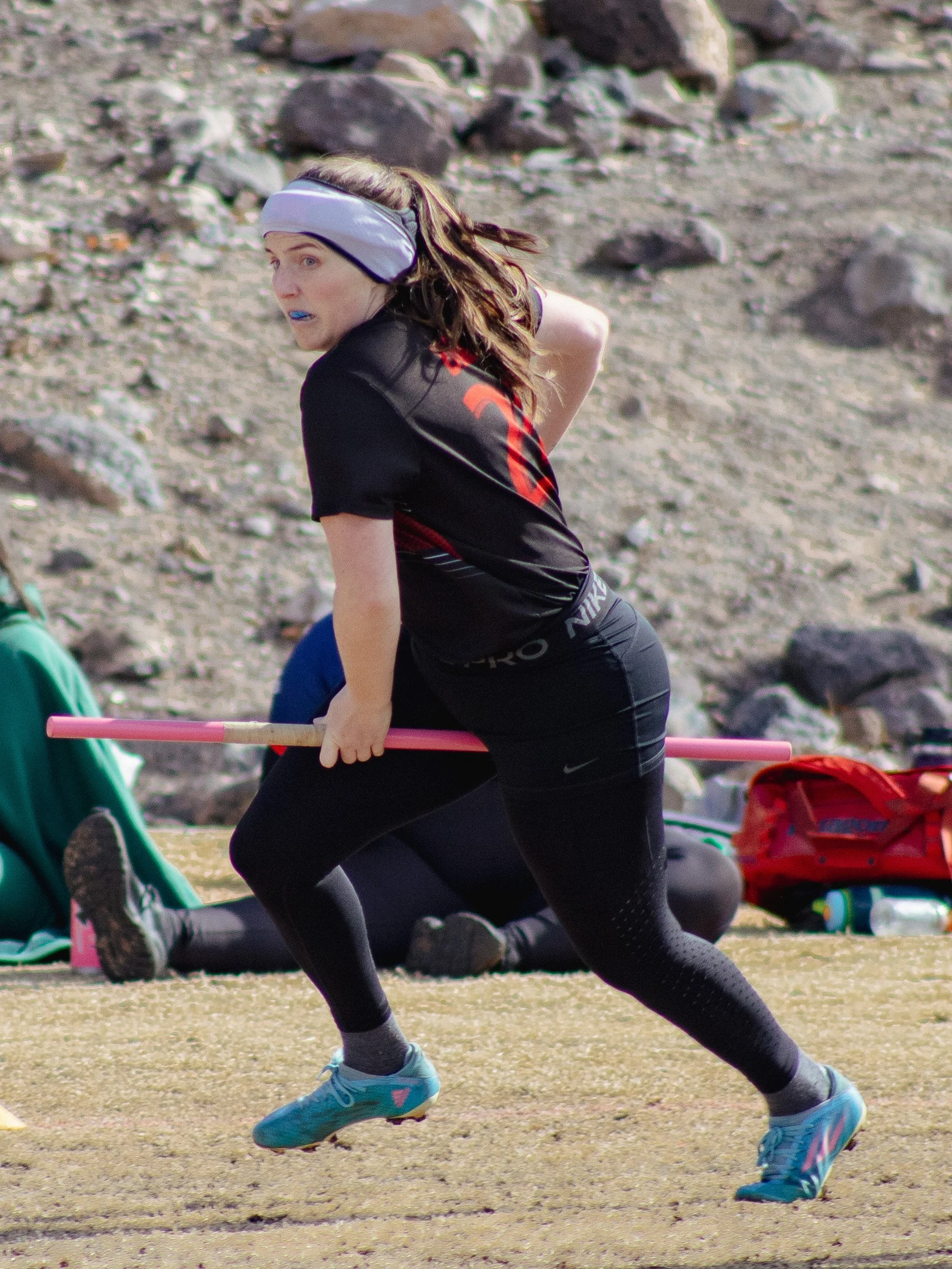
The Lost Boys Quadball Club is the longest-standing club team in the sport’s history. With the addition of a B-team in 2023, The Second Stars, this storied program is poised to remain a home for players across Southern California for years to come. Founded in December 2011, the team embraces its namesake philosophy of “Never Grow Up”, creating a space where athletes can continue competing well beyond their college careers while also welcoming brand-new players to the sport.
The Lost Boys program has been a cornerstone of west coast quadball culture. Members of this team have played an integral role in founding and developing Western Championship Quadball, serving as primary tournament directors and organizers, and hosting countless fantasy events (including those intentionally created to uplift and support women, trans, and non-binary players). They’ve also led intentional recruitment events and open practices, coached the UCLA college program, and launched the region’s social platform, @westquadball, to foster connection, information sharing, and sustained community growth. The West’s entire competitive ecosystem has been shaped, in part, by their leadership and commitment to building something bigger than just one team, prioritizing the creation of meaningful playing opportunities for athletes of all skill levels and experience.
Nine former US National Team athletes have worn the Lost Boys crest, alongside countless players with experience in other international programs. The team reached the Final Four at USQ Cup in 2013, captured four USQ Regional Championships (now USQ National Qualifiers), and consistently remained a competitive force. While they may enter USQ Cup 2026 as underdogs, it’s impossible to count this lovable, scrappy squad out of any matchup.
The Elite Athlete
By Austin Butler
Back in the day, if you were drafting a fantasy quadball lineup, you might look for one elite chaser. What defines that player—speed, size, athleticism? Now imagine having all three in one athlete.
Enter Darian Murcek-Ellis of Reign QC. Widely considered one of the best athletes in the sport, Murcek-Ellis combines quick footwork with explosive athleticism. He can beat defenders off the drive, and while not the largest presence on the field, his vertical and wingspan make him difficult to score on. His offensive game draws comparisons to Giannis Antetokounmpo—his size and strength make him tough to stop at the hoops, while his first step allows him to get past nearly any defender.
Murcek-Ellis has competed at a high level since his collegiate days at Creighton, alongside many of his current teammates. Fresh off a 2025 USQ Cup Club Competitive championship with the now-retired Warriors, he enters this season looking to win again with a roster built from familiar connections across Creighton, The Warriors, and the US National Team. Since 2023, he has reached the finals of every USQ club championship and all but one Major League Quadball Championship, proving not just his talent, but his consistency at the highest level.
Old Dog, New Tricks
By Erin Moreno
Despite starting in the quidditch era, the beater pair of Bailee Fields and Jackson Johnson has remained effective through every evolution of the game.
Johnson began his career at Texas State University in 2013, with Fields joining in 2015. Though they only overlapped for one collegiate season, the duo quickly established themselves as top-tier talent. Johnson’s explosive style made him the talk of the town and one of the premier engage beaters in the sport. But it was the introduction of Fields, who has built a reputation for consistency and control, that elevated Johnson to the next level and put the pair on the map.
Often unfairly overshadowed by Johnson, Fields combines a powerful arm, quick footwork, and strong game IQ, serving as the stabilizing force that allows Johnson to play aggressively and create the chaos that defines their partnership.
Both were key contributors to the 2018 US National Team and have remained among the top beaters in the game ever since. As the sport has evolved, so have they. Now among the most experienced players in the division, they continue to stay relevant through strong decision-making and composure in high-pressure moments.
As Heat is poised to take their second national title at the 2026 USQ Cup, one question remains: Will we see one more evolution in their playstyle to help their team bring home the gold?
BUILDING SOMETHING BIGGER THAN THE PITCH
By Michael Mason, USQ Board Member 2026
Supporting USQ is about more than keeping a sport alive. It’s about sustaining a community that thrives on inclusion, competition, and fun. Every whistle blown, every match played, every spectator cheering from the sidelines exists because people decided this was worth their time, energy, and care. USQ doesn’t just create games. It creates memories and life-long relationships. No matter what you bring to the table, it’s a league where athletes feel seen, fans feel welcome, and everyone gets to belong to something truly special.
For players, support means access: Access to playing time that might otherwise be out of reach. Access to a space where anyone–regardless of gender–can succeed on the pitch. Access to safe, well-run tournaments. Access to qualified officials, medical support, and fields to play on. Support means lowering barriers so more people can play, regardless of background or resources. Financial donations help fund infrastructure, equipment, travel support, and growth initiatives that keep the game competitive and fair.
When you give, you’re investing directly in the quality of play and the future of the sport.
Donating your time through volunteering is just as powerful as your wallet. Volunteers are the heartbeat of USQ events. They promote the league, guide teams and fans, keep operations seamless, and ensure everyone feels supported every step of the way. Volunteering isn’t about being an expert, it’s about showing up. Whether you thrive behind the scenes, love interacting with people, or want a front-row seat to the action, there’s a role that fits you with USQ.
Supporting USQ is choosing to be part of something that gives back more than it takes. Whether through a financial contribution or a few hours of your time, you can help ensure that players of all identities share equal access to the field, fans can cheer, and our community continues to grow for years to come.
Blue Jay QC
By Ryan Cleary
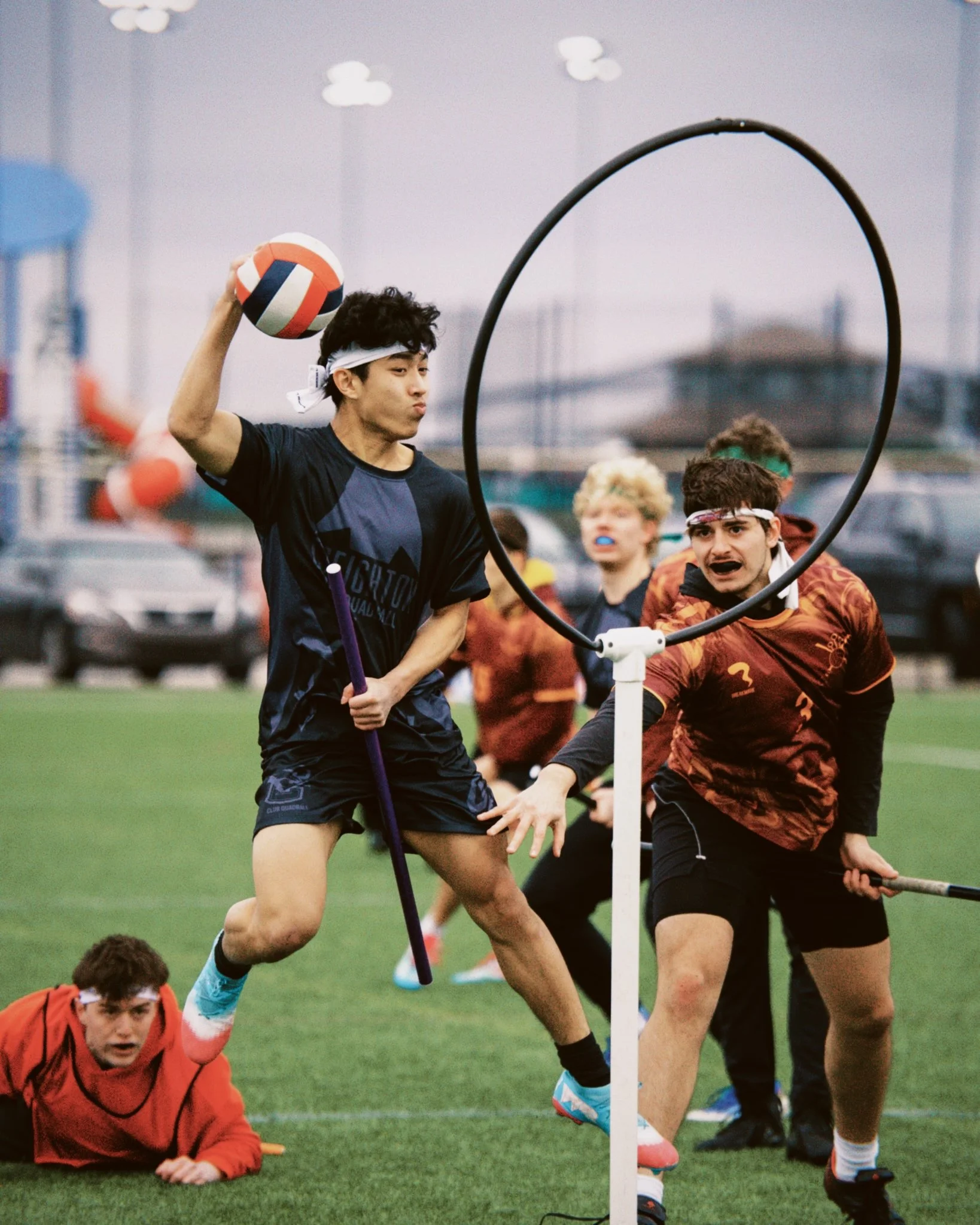
As college quadball continues to grow, the next step for established programs isn’t just recruiting more players, it’s building sustainable development systems. Creighton University’s Blue Jay QC stands as a blueprint for that progression, showing how a junior varsity team can develop talent, build culture, and meaningfully contribute to long-term program success.
Blue Jay serves as an introduction to the sport, combining the intensity of the Creighton program with a roster largely made up of rookies. This structure allows new players to learn the game in a lower-pressure environment while adjusting to a sport with unfamiliar rules. Although Blue Jay practices alongside Creighton, the team builds its own culture and identity, creating a close, family-like environment. That connection is reflected in players like Riley Usami, Madi Namanny, TJ O’Connor, and Danny Rendon, who began on the first Blue Jay roster, won a collegiate national championship together their senior year, and are now continuing their careers as teammates on club team Reign QC.
As a development team, Blue Jay allows Creighton to bring in more rookies and introduce more athletes to quadball. Without that additional roster space, many players would not have had the opportunity to develop into who they are today. With a significantly larger rookie class than most college teams, the program relies on experienced Creighton players to help train and mentor newcomers. Through scrimmages, post-game discussions, and film sessions, both mentors and rookies continue to grow on the field and build strong connections off it. This progression is evident in the development of beater pairs like Derek Dearking and Tiff Chang, as well as O’Connor and Namanny, though examples can be found across the entire program.
Despite being labeled a B-team, Blue Jay QC has consistently delivered strong results. The team reached D1 quarterfinals at the 2022 and 2024 USQ Cups; a D2 semifinal in 2025; and finished as regional runner-up to Creighton in 2021, 2022, and 2025. Since fall 2022, Blue Jay holds a 40–11 record (excluding games against Creighton QC). The program’s early recruiting classes included now US National Team Developmental Academy players like Usami, O’Connor, and Namanny, further demonstrating its impact.
Blue Jay QC has proven to be a key part of Creighton’s success, developing new talent while strengthening the broader program. This weekend, captains Trevyn Nishimura and Andrew Bieniek will lead the latest iteration of Blue Jay, while former standouts Brynn Chang-Kanoa, Maddie Guillermo, and Justice Wu make their nationals debut with the varsity team.
PHOTO: Marcos Sandoval
ON The MIC
By Jack Levy
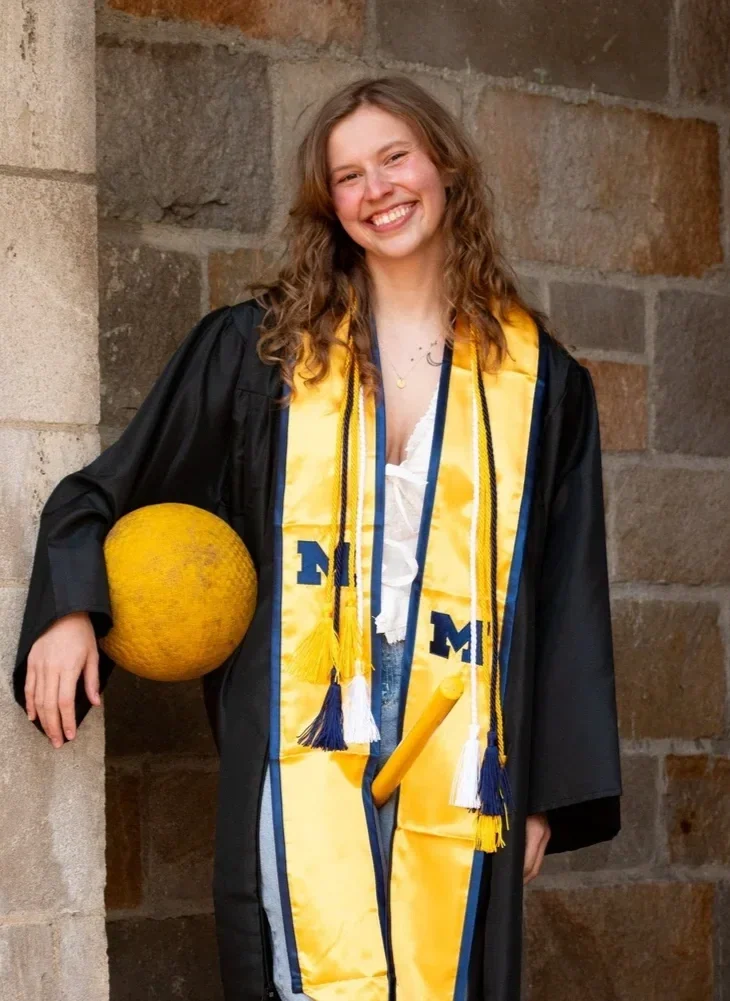
You might recognize Riley Hodder and Nicholas Love as the duo behind the microphone and camera after games. They’re the ones asking players quick-hit interview questions that later show up on the FastBreak News (FBN) Instagram. Early on, they were mostly known within their own teams. Now, Hodder and Love are recognized across the quadball community—sometimes even requested by teams for interviews. Both played for the University of Michigan and graduated in 2025. Today, they’re still perfectly in sync off the field, helping reshape the quadball media landscape.
Beyond the engaging, on-the-ground interviews, Love handles much of the graphic and video production for FBN. He’s behind some of the best visuals in the sport. Most recently, FBN’s Instagram surged after Love created a video edit of teams celebrating Division 1 and Club Competitive bids at the Champaign County National Qualifier. When Love has an idea, it gets executed—and executed at a high level. In addition to his original projects, he produces the eye-catching graphics that headline many FBN articles. Over the past year and a half, his work has become a staple across quadball media.
Behind the scenes, Hodder has been just as impactful. As editor-in-chief of FBN, she has edited every article published over the past year. During her time at Michigan, she led The Michigan Daily, and she’s brought that same standard to quadball. If you’ve read an FBN article recently, Hodder has gone line by line to ensure clarity, accuracy, and polish. She consistently turns solid writing into standout content, raising the bar across both MLQ and USQ coverage.
Together, Love and Hodder have taken their passion for media and made a lasting impact on the quadball community. They’re proof that what you bring off the field can be just as influential as what you do on it.